The Changing Landscape of the Adivasi Economy in Chotanagpur
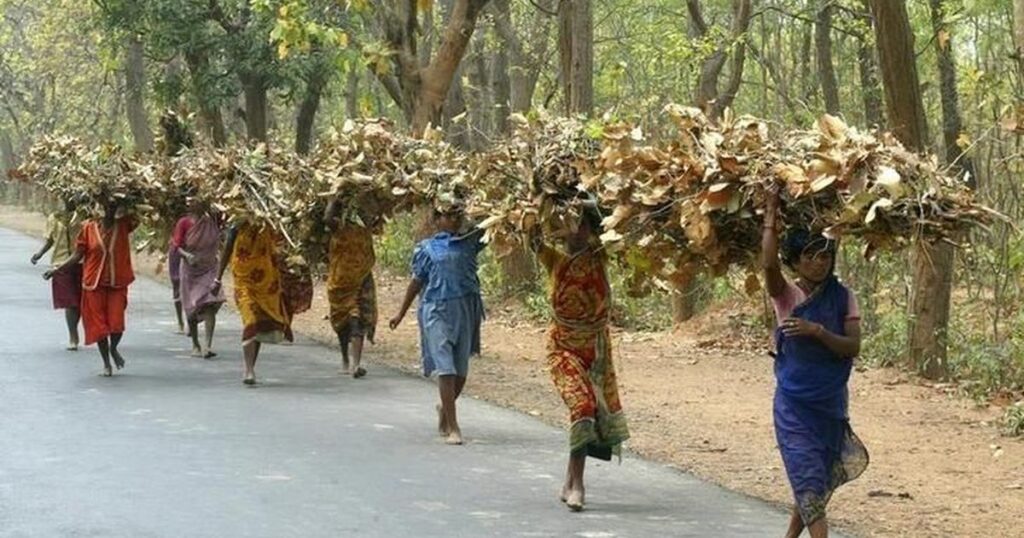
In the heart of Chotanagpur, the adivasi communities—particularly the Mundas and their kin—have witnessed a profound transformation in their way of life. Once deeply connected to the forests and their natural bounty, these tribal economies were built on centuries-old practices of self-sufficiency and communal harmony with nature. Today, however, a series of economic, legal, and social shifts have reshaped their traditional lifestyles, leading to challenges and sparks of resistance that continue to evolve.
From Forests to Fortunes: The Decline of Traditional Practices
Historically, the adivasi economy was rooted in subsistence living. The forests provided everything the Mundas needed—from food and medicine to shelter and tools. This relationship was not only an economic arrangement but also a cultural one, integral to their identity. However, the advent of colonial and post-colonial policies systematically marginalized these traditional practices. As access to forest resources became restricted by externally imposed regulations, the community’s ability to rely on their ancestral way of life diminished, pushing them into economic insecurity.
The Loss of Ancestral Lands
One of the most striking changes has been the alienation from ancestral resources. Over centuries, the Mundas and other tribal groups managed their lands and forests with sustainable practices passed down through generations. Yet, as powerful outsiders—zamindars, traders, and later, state apparatuses—took control of these lands, the indigenous populations found themselves forcibly removed from the very territories that had sustained them. This shift not only disrupted resource management systems but also altered the community’s relationship with the land, turning what was once seen as a shared, communal resource into a commodity.
Commercialization: Turning Nature into Commodity
With industrialization and rapid urban growth, the forests of Chotanagpur began to attract a new kind of interest—profit. The demand for timber and other forest products led to a commercialization that was alien to traditional adivasi practices. The forest, once a source of life and cultural expression, started to be viewed primarily through an economic lens. Over-exploitation and unsustainable harvesting replaced the careful, respectful use of resources, leaving many tribal communities grappling with the ecological and economic consequences of this transformation.
Legal Frameworks and the Erosion of Rights
The legal disenfranchisement of adivasi communities further deepened their economic plight. Colonial legal systems, and the subsequent policies they influenced, often failed to recognize the traditional rights of these communities over their lands and resources. Instead, the law favored zamindars and external commercial interests, effectively stripping the Mundas of the customary rights they had long exercised. This shift left them vulnerable to exploitation, as the very framework meant to protect property and rights was repurposed to marginalize an entire community.
The Shift to Market Dependence
As traditional avenues for self-sufficiency became increasingly blocked, many adivasis were forced to integrate into market economies. Reliance on wage labor and market dynamics replaced centuries of subsistence living. This newfound dependence on external economic forces brought its own set of challenges: fluctuating market prices, economic instability, and a constant pressure to adapt to a system that was never designed with indigenous needs in mind. The loss of control over their own resources has left many communities at the mercy of global market trends, further eroding their traditional economic base.
Cultural and Social Disruption
The economic changes in Chotanagpur have not been limited to material well-being—they have deeply affected the cultural and social fabric of adivasi life. The traditional practices tied to the forest—rituals, community gatherings, and the passing down of indigenous knowledge—are in decline. This cultural erosion has not only disrupted the bonds that held these communities together but has also led to a gradual loss of identity. As the forest becomes less central to daily life, so too does the rich tapestry of customs and beliefs that defined adivasi existence.
Sparks of Resistance and Social Unrest
Perhaps most notably, the cumulative impact of these changes has sparked a wave of social unrest. Faced with economic disenfranchisement and cultural loss, many adivasi groups have begun to mobilize in defense of their rights. Movements to reclaim forest access and demand legal recognition of traditional practices have emerged as powerful voices against decades of systemic marginalization. This resistance is not just a fight for economic survival—it is a battle for identity, dignity, and the right to maintain a way of life that has sustained these communities for generations.
Looking to the Future
The story of the Mundas and other tribal communities in Chotanagpur is a compelling example of how external policies and economic pressures can transform traditional societies. While the challenges are immense, the growing movements for reclaiming rights and preserving cultural heritage offer a glimmer of hope. By understanding the past and acknowledging the deep connections between people and nature, there is a path forward—one that seeks to balance economic progress with the preservation of cultural identity and sustainable living.
For readers, this narrative is a reminder of the often-hidden costs of modernization and the importance of inclusive policies that respect traditional ways of life. As the struggle for rights and recognition continues, it also serves as an invitation to reflect on how we value nature, community, and heritage in our rapidly changing world
References : THE MUNDAS AND THE FOREST
Author(s): Sivaji Koyal Source: Proceedings of the Indian History Congress , 1984, Vol. 45 (1984),

Wild Animal Names In Mundari
Food Related Words and Sentences in Mundari

Name of the Months in Mundari
About Author

Leonard Topno
Leonard is a graduate of IIT Guwahati and is passionate about providing technology solutions in IT and Web domain. He writes blogs and makes tutorials about Culture and Language of Munda Tribe - one of the oldest known Adivasis in India, from which he comes. His roots are at Village Marcha, in Khunti District in the state of Jharkhand.To know more about him visit www.leonardtopno.com